
The finding
In 2026 the interchangeable-lens camera market is organised less by single models and more by system strategy: full-frame mirrorless remains the prestige and growth lane; APS-C is the broad-volume, value-and-versatility arena; Micro Four Thirds (MFT) occupies the compact-and-lens-rich niche. Each major maker chooses one or two of these lanes to defend, with product choices reflecting trade-offs in size, lens ecosystem and video-versus-still priorities.
How to read the map
Three practical axes shape the category: sensor class (full-frame, APS-C, MFT), price band (entry, enthusiast, pro) and capability emphasis (still-photography, hybrid photo/video, or video-first). Together they explain why two cameras with similar specs can sit in very different parts of the market: the maker’s lens catalogue, mount alliances and signalling matter as much as raw features.
Full-frame: prestige, shallow depth and lens investment
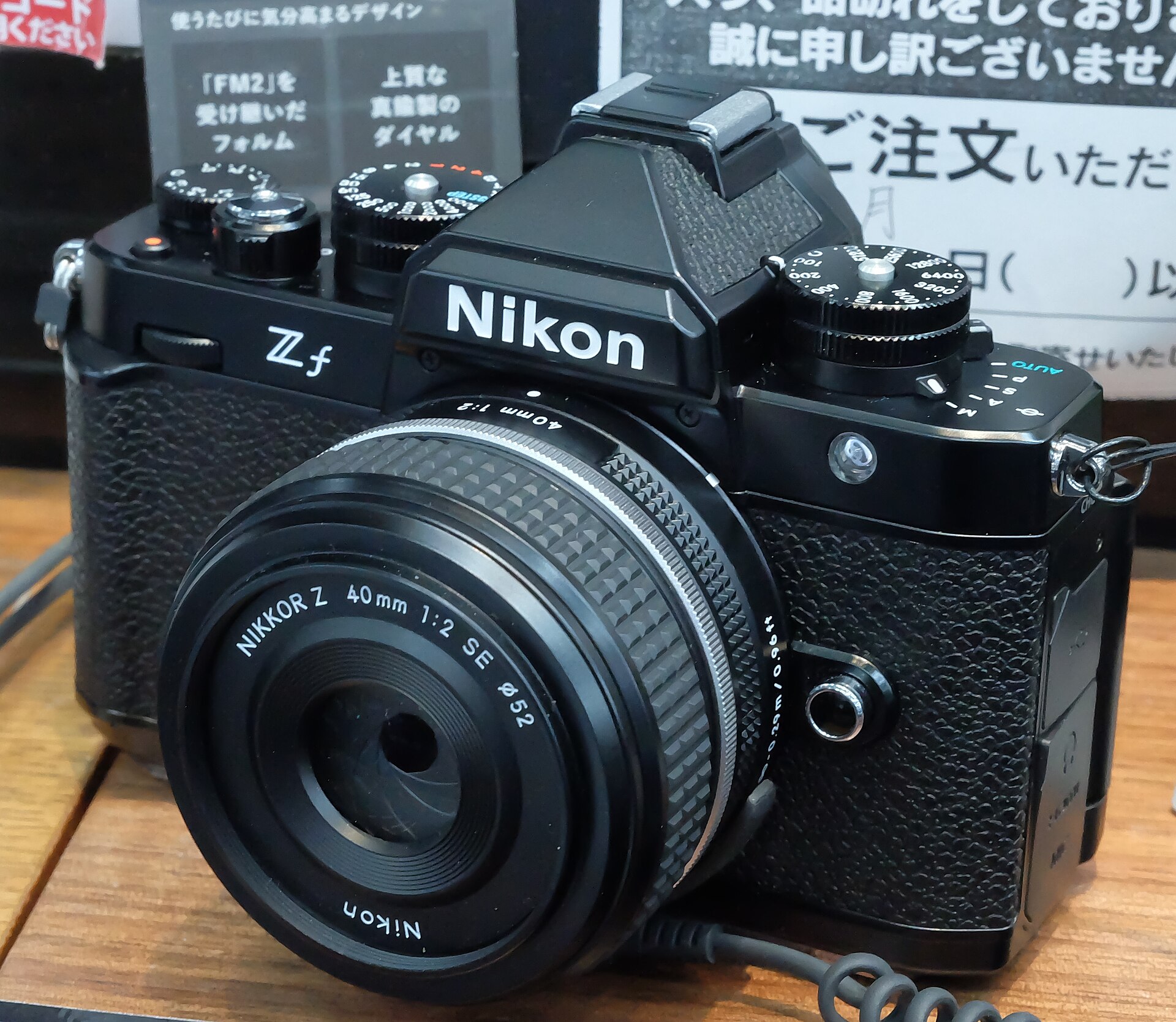
Full-frame mirrorless is where manufacturers show their technical leadership and ask the highest prices. Nikon’s Z f is a full-frame camera presented as a retro-styled model that borrows technology and mount investment from Nikon’s wider Z system; Nikon positions full-frame bodies as flagship or aspirational purchases. Nikon’s product page describes the Z f as a full-frame interchangeable-lens camera and explains the use of Z-mount lenses and FTZ adapter compatibility. nikonusa.com
Panasonic competes in full frame under its L-Mount partnership (and with the Lumix S line) and uses this lane to push pro video and hybrid features. The Lumix DC-S5 II is a full-frame mirrorless model in that family, and Panasonic’s documentation places it in the S-series full-frame lineup. Vendor pages make clear Panasonic treats S-series as the full-frame offering. sony.com
APS-C: volume, affordability and hybrid appeal
APS-C is the market’s workhorse. By sensor size it sits between MFT and full frame, offering a balance of reach, low-light performance and smaller bodies. Fujifilm builds its identity around APS-C (X Series) and medium-format bodies; the X-T5 is firmly an APS-C model within Fujifilm’s X line, and the company supports the format with a wide native-lens range and film-simulation software decisions that attract stills shooters. Fujifilm’s spec pages and product literature describe the X‑T5 as an APS-C X Series camera. fujifilm-x.com
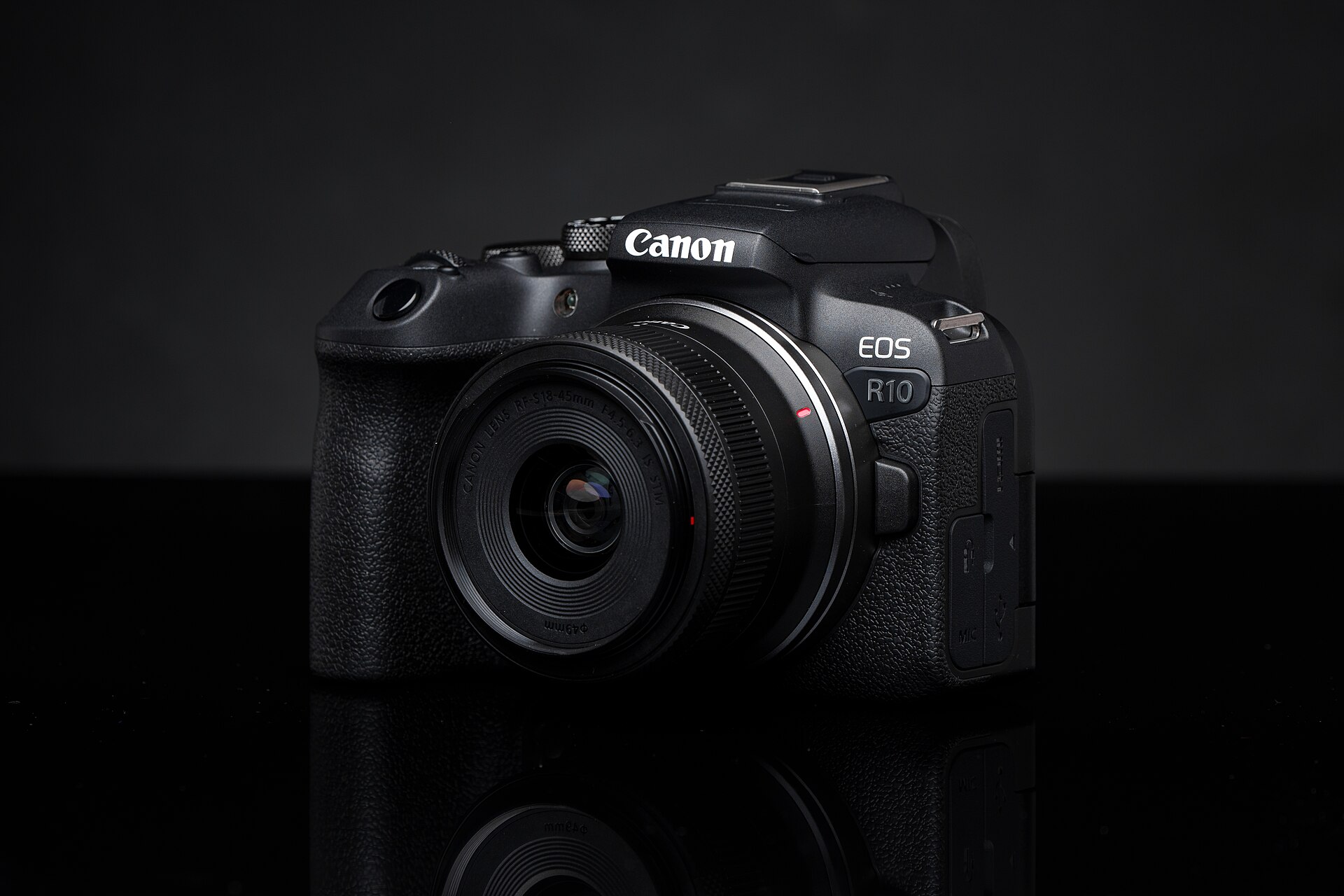
Canon pursues APS-C as a high-volume segment as well. The EOS R10 is Canon’s fast, compact APS-C mirrorless model aimed at enthusiasts and creators who want speed and affordability while remaining inside Canon’s RF mount ecosystem. Canon’s product pages for the R10 emphasise its APS-C format and RF-lens compatibility via adapters. usa.canon.com
Micro Four Thirds: compactness, lenses and crew-friendly video
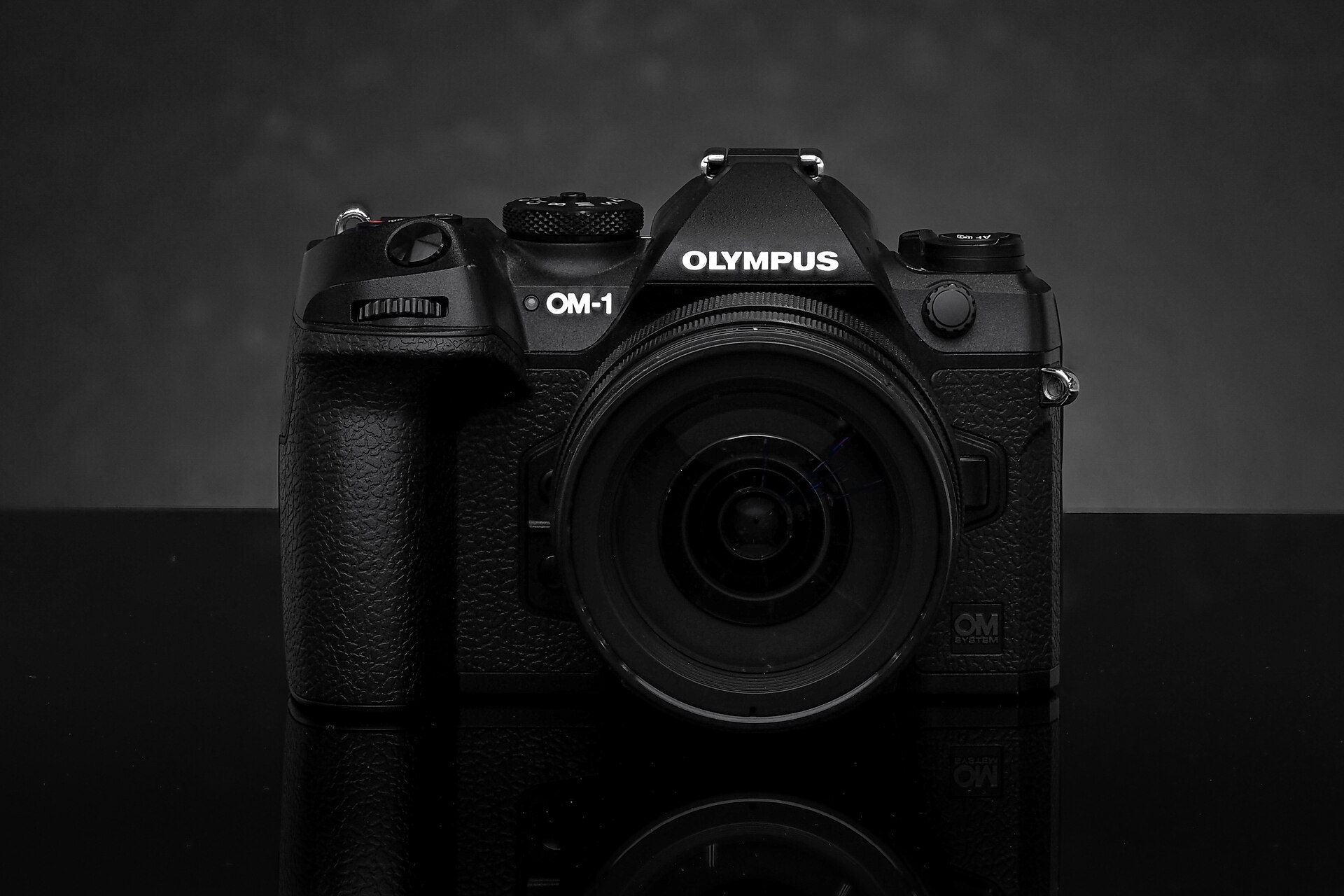
Micro Four Thirds remains the niche for makers who want compact bodies, smaller lenses and strong stabilisation. OM Digital Solutions’ OM‑1 is explicitly an MFT flagship: the OM SYSTEM OM‑1 pages present it as a Micro Four Thirds interchangeable-lens camera and stress portability and image-stabilisation advantages that come with the smaller sensor. OM emphasises the system’s lens history and the continuing choice of small optics. om-digitalsolutions.com
Who competes with whom
Competition is best described as overlapping Venns, not head-to-head one-to-one matchups:
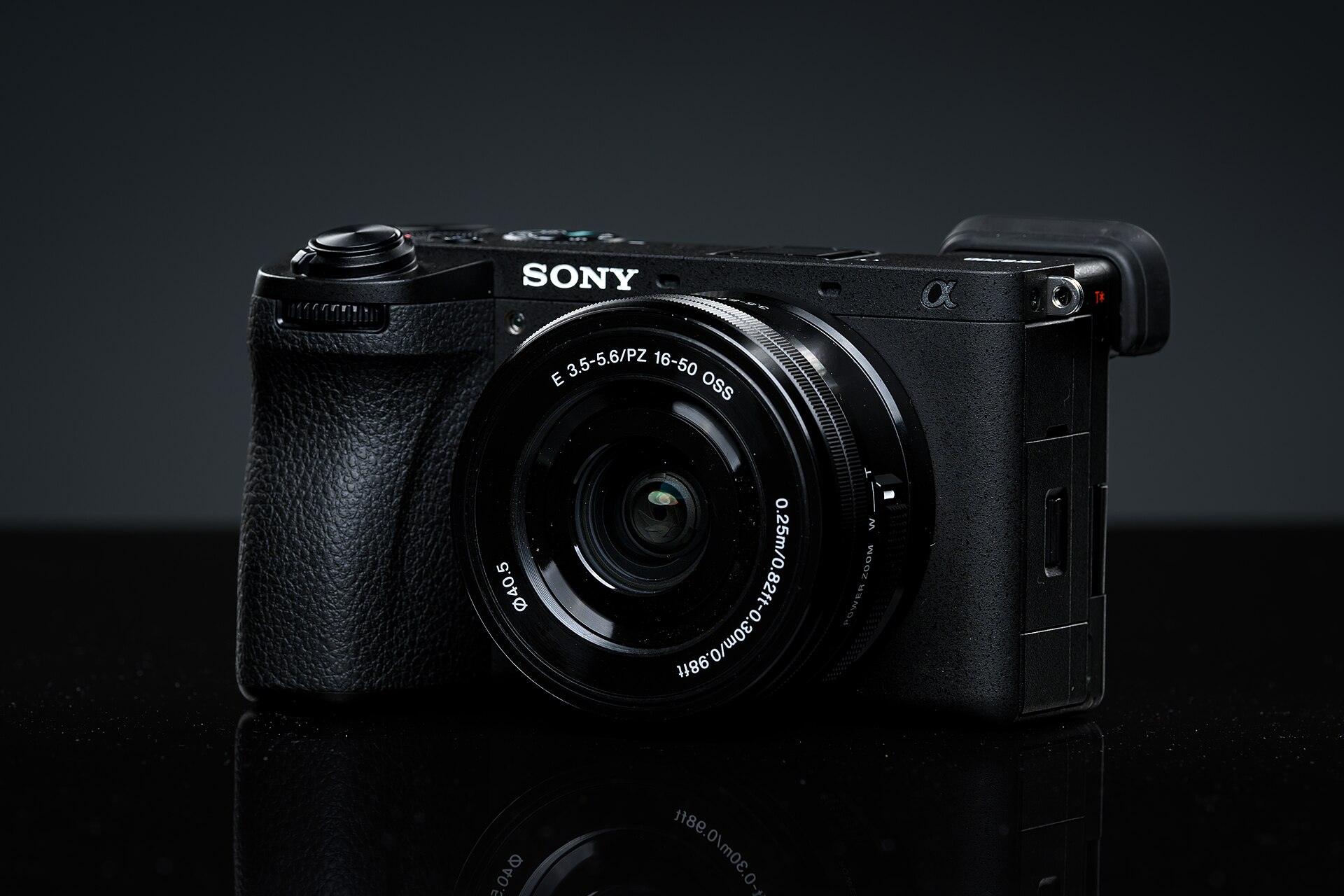
- Sony: compresses a full spectrum inside the Alpha system, but its a6xxx/a7xxx lines split between APS-C and full-frame. The ILCE‑6700 is part of Sony’s ongoing APS-C Alpha offering that sits opposite Canon’s and Fujifilm’s APS-C products. Sony’s support pages list the ILCE‑6700 as a member of the 6000-series bodies, underlining Sony’s multi‑tier approach. sony.com
- Canon vs Sony vs Nikon: at full-frame the rivalry is about high-end features and lens ecosystems (Z‑mount, RF, E‑mount). Nikon plays the heritage and optics card; Canon leverages its RF lens design and marketing; Sony combines sensor R&D and a deep E‑mount lens line-up. Nikon’s Z f positions full frame as heritage plus modern tech. nikonusa.com
- Fujifilm: chooses to make APS-C and medium format the centre of gravity for its brand instead of broadly pursuing full frame; its X‑T5 exemplifies an APS‑C-first strategy aimed at enthusiasts who value colour science and lens character. fujifilm-x.com
- Panasonic: focuses its Lumix S bodies on full-frame pros and video creators, while its historical Micro Four Thirds line (less prominent from Panasonic today) and partnership choices mean it plays both compact and high-end video lanes. Panasonic’s S-series product material makes the full-frame intent clear. onlinemanual.nikonimglib.com
- OM Digital Solutions: doubles down on Micro Four Thirds as a specialist play for portability and stabilisation-led photography; the OM‑1 shows that MFT can be presented as a performance flagship within its sensor class. om-digitalsolutions.com
Market evidence for lane choices
Industry shipment and revenue analysis for 2025–2026 shows APS‑C and Micro Four Thirds holding the most units while full‑frame grows fastest in revenue terms. Market research summaries state that APS‑C produced the largest revenue segment in recent figures and that full‑frame is the fastest-growing by value — a picture that explains why some makers prioritise APS‑C volume while others pour R&D into higher-margin full-frame bodies. Use of CIPA and market reports is standard when positioning product strategy; market analyses published through 2025–2026 back the assertion that smaller-than-full-frame systems account for steady unit sales while full frame drives value growth. digitalcameraworld.com
What differentiates the lanes for buyers
- Size and lenses. MFT bodies and lenses are smaller; APS‑C lenses give reach per weight; full‑frame lenses are larger and command higher purchase prices. OM’s OM‑1 materials explicitly position MFT for compactness and stabilisation. om-digitalsolutions.com
- Depth of field and low‑light. Full frame makes shallow depth of field and low‑light performance easier; APS‑C is intermediate; MFT requires different technique to match background blur. Market writeups and technical comparisons make this a consistent trade‑off across the industry. digitalcameraworld.com
- Video vs stills emphasis. Some vendors (notably Panasonic in the S-series) tune bodies for hybrid video: codecs, heat management and profiles matter more than absolute sensor area in those choices. Panasonic's Lumix S documentation frames the S-series as full‑frame hybrid tools. onlinemanual.nikonimglib.com
- System longevity and adapters. Lens mount strength — how many native lenses exist, and whether legacy glass adapts — is a major part of a maker’s strategic moat. Nikon’s Z ecosystem and adapter support are explicit selling points for its full‑frame models. nikonusa.com
Where the six catalogue models sit in this map
- Sony Alpha 6700 (ILCE-6700) — an APS‑C Alpha model; sits in the value/enthusiast APS‑C lane and competes with Canon’s R10 and Fujifilm’s X‑series APS‑C bodies. Vendor support documentation lists it among Sony’s 6000-series APS‑C bodies. sony.com
- Canon EOS R10 — APS‑C; pitched at fast, affordable mirrorless for creators and hobbyists, complementary to Canon’s higher‑end full‑frame RF line. Canon’s product pages and specs describe the R10 as an APS‑C model. usa.canon.com
- Fujifilm X-T5 — APS‑C; part of Fujifilm’s X Series which treats APS‑C as a core format for stills-first photographers. Fujifilm specifications label the X‑T5 as an APS‑C X Series camera. fujifilm-x.com
- Panasonic Lumix DC-S5 II — full‑frame S‑series; positioned for hybrid photo/video work within Panasonic’s full‑frame line. Panasonic’s S-series materials and support pages identify it as a full‑frame Lumix S model. onlinemanual.nikonimglib.com
- Nikon Z f — full‑frame; a retro‑styled full‑frame body that leverages Nikon’s Z mount and existing full‑frame optics and adapters. Nikon’s product and press pages describe the Z f as a full‑frame member of the Z system. nikonusa.com
- OM SYSTEM OM-1 — Micro Four Thirds; presented as an MFT flagship that emphasises stabilisation, portability and the MFT lens catalogue. OM System product pages set this out clearly. om-digitalsolutions.com
What this means for buying and where makers may shift
Buyers should choose by system, not just body. A compact, well‑stabilised MFT system can be cheaper overall if the lens choices match needs; an APS‑C system offers a strong balance of cost and image quality; full frame commits you to higher‑cost lenses but gives the largest sensor benefits. Market data to mid‑2026 show continuing unit strength in APS‑C and MFT while full‑frame captures higher revenue growth, which explains why some makers concentrate on volume bodies while others push premium models. digitalcameraworld.com
Strategic shifts are predictable: makers with deep lens ecosystems and mount ownership tend to defend full frame for margin, and makers with a wide range of small lenses (or a historical MFT base) will continue to push compact, stabilised designs. Expect incremental feature diffusion — sensor stabilisation, better codecs and AI autofocus — to appear across all lanes rather than alter the lane definitions themselves.
Summary
By 2026 the camera category is structured around sensor class plus system strategy. Full frame is the prestige and value-growth lane; APS‑C is the volume, affordability and hybrid sweet spot; Micro Four Thirds remains the specialist choice for small bodies and lenses. The six models in our catalogue each illustrate one of these strategic positions, and vendor documentation and market reports from 2024–2026 confirm the persistent role of these lanes in shaping product choices. nikonusa.com